What You Should Expect After Veneers in Oxnard CA
Getting veneers is often described as a smile makeover, but that phrase can make the process sound simpler than it feels in real life. Veneers can absolutely transform the shape, color, and balance of your smile, yet the days and weeks after treatment come with an adjustment period that many patients do not fully anticipate. If you are considering Veneers Oxnard CA services, or you have already scheduled treatment, it helps to know what happens after the appointment, not just during it.
Most people focus on the final reveal. They picture straighter-looking teeth, a brighter shade, and a more polished smile in photos. What they do not always picture is how their bite may feel slightly unfamiliar at first, how their lips and tongue may notice the new contours, or how they may become temporarily hyperaware of every tiny sensation in their mouth. All of that is normal. Veneers change surfaces that you have been used to for years, sometimes for decades. Even when the cosmetic result is excellent, there is still a period of adaptation.
The experience after veneers depends on the type of veneer used, how many teeth were treated, whether temporary veneers were placed first, and how much reshaping was needed. A patient having two veneers on upper lateral incisors usually has a different recovery than someone receiving eight or ten across the visible smile line. Still, there are common patterns worth understanding, especially if you want the smoothest recovery and the longest-lasting result.
The first 24 to 72 hours feel more noticeable than most people expect
Right after veneers are placed, many patients expect either pain or nothing at all. The reality usually sits somewhere in the middle. You may not have severe pain, but you can feel a collection of mild, strange, and very specific sensations. Teeth can feel slightly tight, edges may seem more prominent, and your bite might feel off even when it is technically within a normal range.
This is especially common if you have had temporaries and then move into your final restorations. Temporaries can be bulkier or rougher than the permanent veneers, so the final set often feels dramatically better, but still different. If no temporaries were used and the veneers were bonded in the same phase as preparation, the change may feel more abrupt.
Mild sensitivity to cold is common in the beginning. So is some gum tenderness around the treated teeth, particularly if the gums were gently retracted during the bonding process. Patients often describe the feeling as sore rather than painful. Brushing can feel a little awkward on day one, not because it is dangerous, but because the area feels new and you instinctively become more cautious.
It is also common to spend the first day repeatedly checking your smile in mirrors, phone cameras, or even storefront windows. That reaction is not vanity. It is part reassurance, part adjustment. When you have changed the most visible part of your face, your brain needs time to accept the update.
If you had temporary veneers, the final result can feel surprisingly different
Temporary veneers deserve more attention than they usually get in casual conversations about treatment. They are Veneers Oxnard CA not just placeholders. They shape expectations. When patients dislike the texture, thickness, or color of temporaries, they sometimes worry the permanent veneers will feel the same. In many cases, they do not.
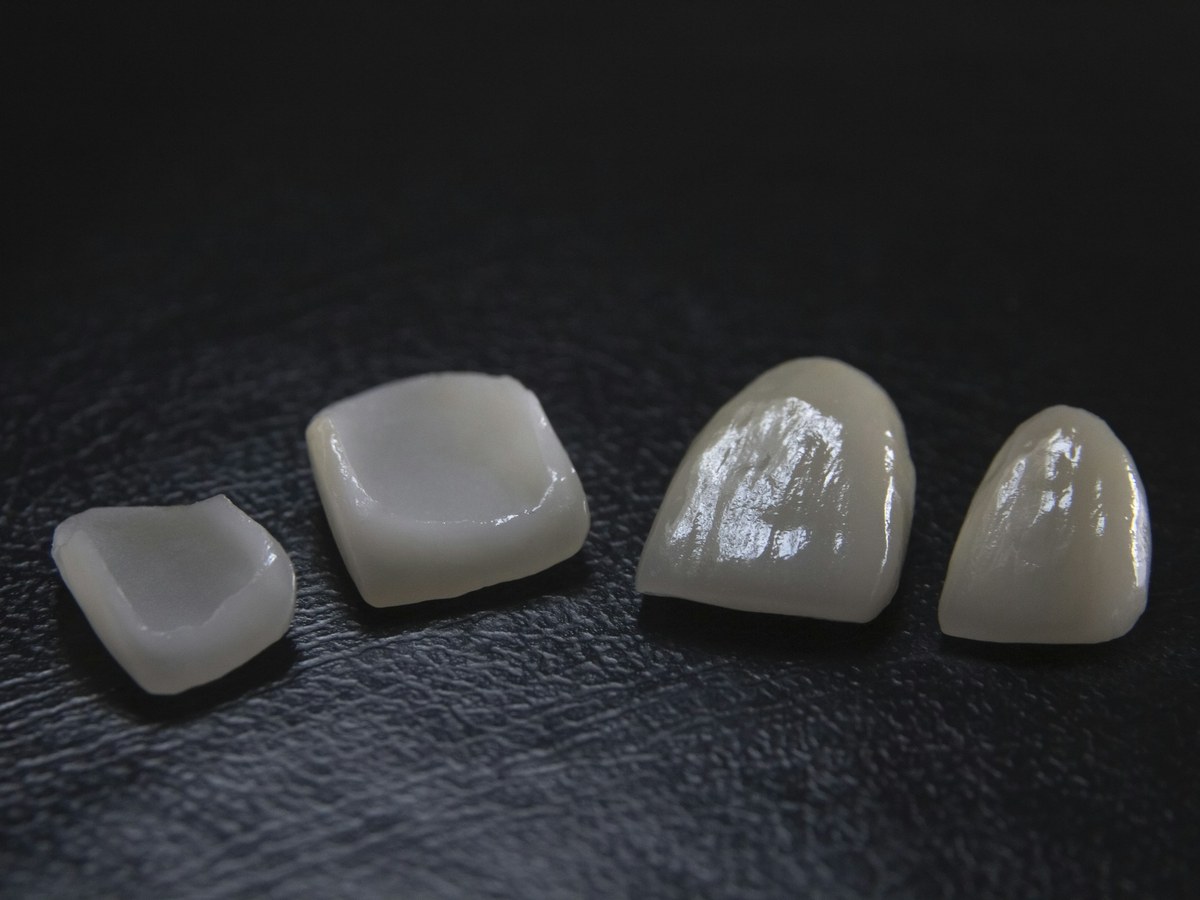
Permanent veneers are typically smoother, more refined, and more natural in the way they catch light. The edges can feel thinner and more lifelike. Speech often improves once temporaries are replaced. The fit is usually more precise. That said, if you have been living in temporaries for a couple of weeks, even an improvement can still feel foreign at first. You may have adapted to the temporary version without realizing it.
This is one reason why good cosmetic dentists encourage feedback during the temporary phase. If certain lengths feel too long, or if a central incisor looks too square, that information can guide final adjustments. Patients who speak up early usually feel more settled once the final veneers are bonded.
Your bite may need a minor adjustment
One of the most common follow-up issues after veneer placement is a bite that feels slightly high on one tooth. This does not mean anything went wrong. Dental restorations are extremely precise, but your bite is dynamic. It changes subtly depending on whether you are sitting upright, numb, tense, or biting naturally versus biting on command in a dental chair.
A tiny interference can make one tooth feel as though it is taking more pressure than the others. Patients describe this in different ways. Some say a front tooth taps first when they close. Others say their teeth do not slide together the way they used to. Occasionally someone says, "I cannot stop noticing one spot."
That kind of feedback matters. A small bite adjustment can make a huge difference in comfort and protect the veneer from unnecessary stress. If you recently received Veneers Oxnard CA treatment and your bite feels uneven after the numbness has fully worn off, it is worth calling your dentist rather than waiting weeks and hoping it settles on its own.
Speaking may feel a little different for a few days
Speech changes after veneers are usually subtle and temporary, but they are real. Certain sounds, especially "s," "f," and "v," depend on precise contact between the tongue, lips, and teeth. When the front teeth are lengthened, widened, or reshaped, your mouth has to recalibrate.
This tends to improve quickly with normal conversation. Reading aloud for ten minutes in the evening can help. So can simply resisting the urge to overcorrect. Many people start listening too closely to themselves and tighten their lips or tongue in response, which can make the adjustment take longer.
In practice, the patients who adapt fastest are usually the ones who speak normally, hydrate well, and give themselves a few days before panicking about every syllable.
Your gums may look irritated before they look better
Healthy-looking veneers depend partly on healthy-looking gums. Right after placement, the gumline can appear red or slightly puffy. This often worries patients who expected instant magazine-cover perfection. In most cases, mild irritation settles as the tissue calms down and you resume gentle but thorough oral hygiene.
What matters is the pattern over time. Slight inflammation that improves over several days is common. Swelling, worsening tenderness, persistent bleeding, or a gumline that feels increasingly irritated deserves attention. Sometimes the issue is simply aggressive brushing because you are trying too hard to keep the area clean. Sometimes there is excess bonding material that needs to be smoothed. Sometimes the gums are reacting to temporary cement residue or plaque accumulation around a new margin that you are not yet cleaning effectively.
A good veneer result does not stop at the tooth surface. The gum response tells part of the story, and it is worth watching closely during the first two weeks.
Eating is usually possible right away, but caution matters
Most patients can eat the same day, especially once numbness wears off, but that does not mean you should test your new veneers with the hardest foods in your kitchen. The bond is strong, yet the transition period is not the time to challenge it with ice chewing, pistachio shells, or tearing into a crusty baguette with your front teeth.
There is also a confidence issue in the beginning. Even when veneers are securely bonded, patients often feel tentative. They cut foods smaller, chew more slowly, and avoid biting directly with the front teeth. That caution is reasonable. Within a short time, eating usually feels normal again.
For the first several days, softer foods are often more comfortable, especially if your teeth are mildly sensitive. Yogurt, eggs, pasta, rice, fish, cooked vegetables, and softer fruits are easy choices. Very hot and very cold foods can trigger sensitivity in some people early on, though this typically fades.
One practical point matters more than patients expect: habits count more than meals. It is not the occasional apple that causes trouble nearly as often as nail-biting, pen-chewing, opening packaging with teeth, or chewing ice without thinking. Veneers are durable, but they are not invincible.
What is normal, and what deserves a call
Patients often ask where the line is between expected adjustment and a genuine problem. There is no single rule that covers every case, but certain symptoms are more reassuring than others.
Normal early experiences often include:
- Mild temperature sensitivity
- A bite that feels slightly unfamiliar for a day or two
- Gum tenderness near the treated teeth
- Temporary speech awareness
- Feeling overly conscious of the new shape or length
On the other hand, sharp pain when biting, a veneer that feels loose, a persistent rough edge cutting the tongue, or a bite problem that does not improve should not be brushed off. Neither should a veneer that looks dramatically darker at the margin, though true color changes are not usually sudden. Most post-placement concerns are fixable when addressed early.
The emotional adjustment is real, even when the dentistry is excellent
This part is often underestimated. Cosmetic dental work changes your appearance in a way that can stir up excitement, relief, self-consciousness, and second-guessing, sometimes all in the same week. A patient can love the result and still need time to get used to seeing a different smile in the mirror.
I have seen people react in predictable but very human ways. Some smile constantly from the moment they leave the office. Some stare at one tooth and wonder if it is "too perfect." Some become temporarily fixated on tiny asymmetries that nobody else would ever notice. Others feel strangely emotional because they have spent years hiding their teeth and do not know how to wear a fuller smile naturally.
This is why immediate judgment is not always reliable. The first look matters, of course, but the truer opinion often comes after a week or two, once the gums settle, the bite is refined if needed, and the face starts to feel like your own again.
Oxnard patients should think about lifestyle, not just aesthetics
The local environment and lifestyle matter more than people think. In a place like Oxnard, where outdoor living, coffee, wine, social events, and beach culture all play into daily life, veneers need to fit not just your smile goals but also your habits. Someone who surfs at dawn, grabs iced coffee every morning, and clenches during stressful commutes may have a different long-term maintenance reality than someone with a very low-risk routine.
If you are researching Veneers Oxnard CA options, ask questions that go beyond shade and shape. Ask how your bite affects longevity. Ask whether you grind at night. Ask how often the dentist sees veneer chipping in patients with similar habits. Ask what kind of night guard would be recommended if you clench. These are practical conversations, not sales details, and they matter.
A smile that looks beautiful in the operatory but does not match your real life is not a complete success.
Maintenance starts immediately
Veneers do not get cavities, but the teeth underneath and around them still can. The bonding margins still need to stay clean. The gums still need daily attention. In other words, veneers reduce some cosmetic frustrations, not the need for disciplined home care.
Brushing twice a day with a non-abrasive toothpaste is the safest baseline. Flossing remains essential, especially around the front teeth where gum inflammation is most visible. If you use a whitening toothpaste that feels gritty, it may be worth switching. Many stain-removing formulas are more abrasive than veneer patients realize, and while porcelain is stain-resistant, aggressive polishing pastes can dull surrounding enamel or irritate gum tissue.
Regular cleanings matter too, but they should be done thoughtfully. Hygienists typically know how to work around porcelain restorations, yet it is always appropriate to mention your veneers and ask that instruments and polishing choices reflect that.
A night guard may be more important than the veneers themselves
That sounds dramatic, but in many cases it is true. For patients who clench or grind, veneers are often only part of the treatment picture. The hidden factor is force. Repeated pressure during sleep can chip porcelain, strain bonding interfaces, and leave front teeth tender even when the veneers themselves look fine.
People are often surprised to learn they clench because they do not hear themselves grinding. They simply wake up with jaw soreness, tension headaches, or a feeling that their teeth are "worked out." If any of that sounds familiar, a properly fitted night guard is not an upsell. It is protection.
The same goes for patients with a history of chipping natural teeth, flattening edges, or breaking retainers. Those patterns usually predict risk after veneers as well.
Color expectations need to stay realistic
Porcelain veneers are highly stain-resistant, but they are not immune to the visual effects of time. What often changes is not the porcelain itself so much as the surrounding teeth, gumline, and overall smile context. If veneers were matched to teeth that later darken, the contrast can become more noticeable. If one veneer was placed years before another, small differences in translucency or aging may become visible.
This matters after treatment because some patients assume veneers create a permanent, unchanging shade forever. They do not. They create a stable restoration that still exists in a living mouth. Coffee, tea, red wine, smoking, and inconsistent hygiene affect the whole picture. So does natural aging.
That does not make veneers fragile or temporary. It simply means long-term beauty comes from maintenance and periodic professional review, not from the material alone.
Follow-up visits are part of the process, not a sign of trouble
One misconception causes unnecessary anxiety: the idea that if you need a follow-up after veneer placement, something must be wrong. Not true. Cosmetic dentistry often benefits from fine-tuning once you have lived with the veneers in daily life.
A brief follow-up may cover several practical points:
- Checking the bite after numbness is gone
- Smoothing a tiny edge you feel with your tongue
- Reviewing flossing technique around the margins
- Confirming the gums are settling well
- Deciding whether any esthetic tweak is truly needed
These appointments are often short, but they can make the difference between liking your veneers and feeling fully comfortable with them.
How long it takes to feel normal again
For many patients, the answer is shorter than they fear. Mild soreness or Veneers Oxnard CA sensitivity often improves within a few days. Speech awareness usually fades quickly. Bite refinement, if needed, can accelerate comfort almost immediately. By one to two weeks, most people feel substantially more settled.
The emotional adjustment sometimes takes a little longer than the physical one. That is especially true when the cosmetic change is dramatic. Someone who went from small, worn, uneven front teeth to a fuller, brighter smile may need time to integrate the change into their self-image. That is not hesitation. It is adaptation.
If discomfort continues beyond the expected window, the right response is not to grit your teeth and wait indefinitely. It is to return to the dentist, describe the problem precisely, and have it evaluated. Specific language helps. Saying "my right front tooth hits first" is more useful than "something feels weird." Saying "cold sensitivity lasts thirty seconds on the upper left" gives your dentist a better starting point than "it hurts sometimes."
The best veneer results look effortless because the aftercare was not
Patients often admire finished veneers for looking natural, clean, and easy. What they do not always see is the discipline behind that ease. Good veneers usually reflect careful planning, skillful bonding, a well-managed bite, smart home care, and prompt follow-up when small issues appear. The polished final look is supported by practical habits.
If you are planning for Veneers Oxnard CA treatment, expect a beautiful result, but also expect a short adjustment period, a learning curve with sensation and speech, and a need for ongoing care that respects both the restoration and the natural teeth supporting it. When those expectations are grounded, patients tend to be happier, less anxious, and better prepared to protect their investment.
A strong veneer outcome does not just change your smile in the mirror. It changes how you use it every day, how confidently you speak, how comfortably you eat, and how naturally you show your teeth without thinking twice. That transition is rarely instant, but when the work is done well and the follow-through is solid, it is usually well worth it.
Oxnard Dentistry
1730 E Gonzales Rd, Oxnard, CA 93036, United States
+1 805-307-8731
FAQ About Veneers Oxnard CA
How long do porcelain veneers last?
Porcelain veneers can last for many years, but they can chip, loosen, or wear over time. Their lifespan depends on factors such as your bite, whether you grind your teeth, and daily care. Regular dental visits let your dentist check their condition.
Are dental veneers permanent?
Traditional veneers often require removing a small amount of enamel, so that change to the tooth is generally irreversible. Veneers can still need repair or replacement. Ask your dentist how much preparation your teeth would require.
How much do veneers cost in Oxnard?
Cost depends on the material, how many teeth you want treated, and whether you need other dental work first. Ask for a written estimate that explains the price per tooth and what is included.