Wisdom Teeth Removal Timeline: From Consultation to Healing
Wisdom Teeth Removal tends to follow a fairly predictable arc, but the lived experience varies more than many people expect. One patient is back to desk work the next day with little more than a sore jaw. Another has swelling that peaks on day three, bruising along the cheek, and a week of soft foods before they feel normal again. Both can be well within the range of ordinary healing.
That variation is exactly why a timeline helps. When people know what usually happens at the consultation, on surgery day, during the first 24 hours, and over the next couple of weeks, they handle the process better. They ask sharper questions, prepare their recovery space more intelligently, and are less likely to panic when swelling or stiffness appears right on schedule.
Wisdom teeth, or third molars, usually emerge in the late teens to mid-twenties. Some grow in cleanly and never need attention. Others come in at an angle, stay trapped in the jaw, crowd neighboring teeth, or create gum pockets that are hard to keep clean. That is where removal enters the picture, not as a routine rite of passage for everyone, but as a treatment decision based on anatomy, symptoms, and long-term risk.
What starts the process
For many people, the story begins with a dull ache behind the second molars, intermittent swelling of the gum, food trapping in the back of the mouth, or a dentist pointing to an X-ray and saying, “These are going to be a problem.” Sometimes there is no pain at all. Impacted wisdom teeth can sit quietly for years while still pressing on adjacent teeth or creating conditions that make infection more likely.
The first meaningful step is usually an exam with a general dentist or an oral surgeon. If the teeth are fully erupted and straightforward, some general dentists remove them in office. If they are impacted, close to the mandibular nerve, partially erupted under a gum flap, or otherwise complex, referral to an oral surgeon is common. That handoff is not a sign that something is wrong. It usually means the case deserves someone who does this procedure all day, every day.
At the consultation, the clinician will want to know whether the pain is constant or occasional, whether you have had jaw locking, swelling, bad taste, or trouble opening wide, and whether there have been prior infections. Medical history matters more than people realize. Asthma, bleeding disorders, diabetes, sleep apnea, acid reflux, pregnancy, medication use, and prior reactions to anesthesia all influence planning.
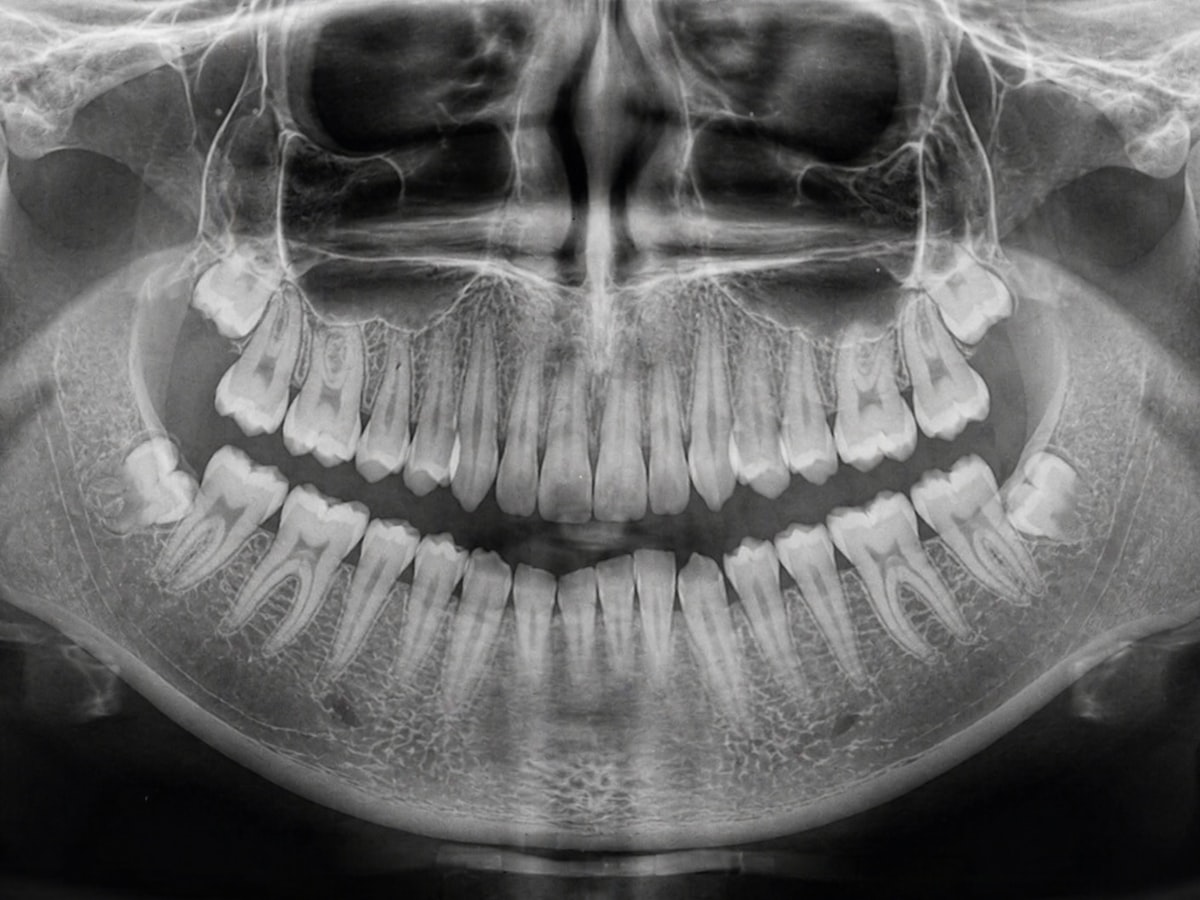
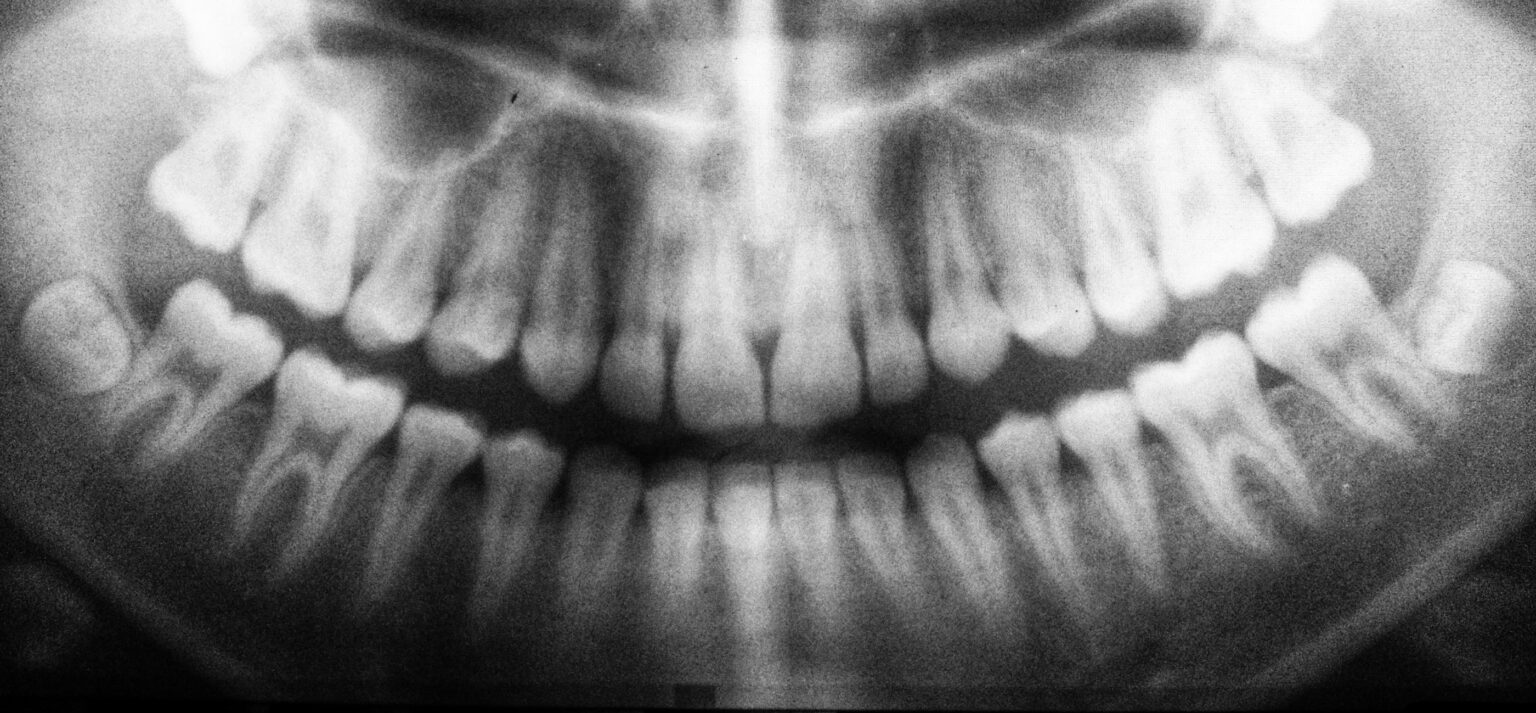
X-rays are central to the decision. A panoramic image often gives the broad view, including tooth angulation, root formation, and proximity to the sinus in the upper jaw or the inferior alveolar nerve in the lower jaw. In select cases, a three-dimensional scan is recommended, especially when the roots appear close to the nerve canal. That extra imaging can sharpen risk assessment and alter the surgical approach.
The consultation: what gets decided
A good consultation is not just a scheduling visit. It is where the practical details get sorted out, and those details shape the entire experience.
The first question is whether removal is truly indicated now. Teeth that are infected, causing damage, or impossible to clean usually make the decision easier. Teeth that are asymptomatic and deeply embedded can be more nuanced. Age matters here. Younger patients often heal faster, and the roots may be less fully formed, which can make surgery simpler. Older adults may face denser bone, more complete root development, and slower recovery. That does not mean removal is a bad idea later in life, only that the balance of benefit and difficulty can shift.
The second question is timing. A college student may want the procedure during winter break. A working parent may choose a Thursday or Friday to absorb the worst swelling over a weekend. Anyone with an important event coming up, a long flight, or a physically demanding week should plan carefully. While some people bounce back quickly, it is wise to allow several days of margin rather than assuming a one-day recovery.
Then comes the anesthesia discussion. For simple extractions, local anesthetic may be enough. For anxious patients or more involved surgeries, intravenous sedation or general anesthesia may be offered depending on the setting and the surgeon’s practice. This part of the consultation tends to ease nerves because many patients imagine they will be aware of every sound and sensation. In reality, the choice can be tailored. Some people do very well fully numb and awake. Others strongly prefer sedation and remember almost nothing.
Cost is another important piece. Fees vary significantly by region, complexity, anesthesia type, and insurance coverage. Simple erupted teeth cost less than fully impacted teeth requiring bone removal and sectioning. Sedation adds to the total. A transparent office will explain what the estimate includes and what it does not, such as pathology fees or follow-up visits if those are separate.
The week before surgery
Preparation is not glamorous, but it can make recovery much smoother. The people who struggle most often are not those with the hardest surgeries. They are the ones who go home to an empty fridge, no gauze, no pain medication picked up, and no clear idea what “soft food” actually means by Sunday afternoon.
A few practical arrangements are worth making ahead of time:
- Fill prescribed medications before the procedure if the office allows it.
- Buy gauze, soft foods, and a cold pack or bags of frozen peas.
- Arrange a ride home if sedation or anesthesia is planned.
- Clear your schedule for at least a day or two, longer if your work is physical.
- Follow the fasting instructions exactly if you are having sedation.
If sedation is involved, fasting instructions are not casual suggestions. Eating or drinking when you were told not to can lead to cancellation for safety reasons. That is frustrating for everyone, especially when time off work and transportation have already been arranged.
Patients who smoke, vape, or use nicotine should pay close attention here. Surgeons often advise stopping before and after surgery because nicotine reduces blood flow and raises the risk of dry socket and delayed healing. The same goes for drinking through straws after surgery. That advice can sound fussy until you have seen how miserable dry socket can be. It is one of the more painful, yet preventable, setbacks after Wisdom Teeth Removal.
Surgery day, hour by hour
The day itself is usually shorter than patients imagine. You arrive, review consent forms, confirm medical history and medications, and have the anesthesia plan rechecked. If sedation is planned, monitors are placed and an IV may be started. Local anesthetic is still used even when the patient is sedated because numbness controls pain at the surgical site.
Once the mouth is numb, the surgeon gains access to the tooth. For a fully erupted wisdom tooth, that may look similar to a difficult standard extraction. For an impacted tooth, a small incision in the gum is made. Sometimes a small amount of bone is removed to expose the tooth. If the tooth is awkwardly positioned, the surgeon may divide it into sections so it can be removed more safely and with less force. This is often a better, gentler technique than trying to deliver the whole tooth in one piece.
Patients sometimes hear the word “drill” and imagine trauma. In reality, controlled sectioning and bone removal are routine parts of oral surgery, done with irrigation and precise instruments. The jaw may feel pressure afterward, but the goal is controlled access, not brute strength.
Once the tooth or teeth are removed, the area is cleaned. Sometimes dissolvable stitches are placed. Gauze goes in, and the focus shifts immediately to bleeding control, pain management, and protecting the blood clot that forms in the socket. That blood clot matters. It is the body’s natural covering for the Wisdom Teeth Removal healing bone beneath. Dislodging it too early is what leads to dry socket.
Afterward, if sedation was used, the patient spends a short period in recovery until stable enough to leave. Most people are groggy, numb, and not especially interested in talking. This is when written instructions become important because patients rarely remember every verbal detail.
The first evening
The first six to eight hours are less about pain and more about management. The mouth will ooze. Not gush, usually, but ooze enough to stain gauze and saliva. That can look dramatic because a little blood mixed with saliva spreads easily. Biting on gauze with steady pressure is usually enough. Constantly checking the site with a finger or tongue is not.
Pain tends to increase as the anesthetic wears off, which is why many surgeons advise starting prescribed or recommended pain medicine before full sensation returns. Swelling often has not peaked yet. That comes later. The evening is mostly about staying ahead of discomfort and keeping activity low.
Food should be soft, cool to lukewarm, and easy to swallow. Yogurt, pudding, applesauce, mashed potatoes, scrambled eggs, cottage cheese, smoothies eaten with a spoon, and broths that are not too hot all work well. Hot foods, crunchy foods, rice, seeds, and anything that sheds particles into the socket are poor choices in the first couple of days.
Sleep is easier with the head elevated. That simple adjustment can reduce throbbing and swelling. I have seen people insist they feel fine and then wake in the middle of the night with more pressure simply because they lay completely flat.
Days one through three: the part people remember
This is the stretch that tends to define the experience. Swelling usually builds during the first 48 to 72 hours. Mild bruising can appear along the jawline or neck, especially after more difficult lower extractions. The jaw may feel tight, and opening wide can be uncomfortable. That stiffness worries some patients, but it is common. The muscles have been asked to stay open during surgery, and the surrounding tissues are inflamed.
Pain during this window should be present but manageable with the recommended medication plan. “Manageable” does not mean zero discomfort. It means the pain is tolerable, not escalating uncontrollably, and not accompanied by alarming symptoms such as fever, rapidly expanding swelling, or trouble swallowing.
Bleeding should taper. Oozing on the first day is expected. By the second day, active bleeding should be minimal. If a patient is still soaking gauze repeatedly, that deserves a call to the office.
Oral hygiene resumes carefully. Surgeons differ slightly in timing, but gentle brushing of the other teeth usually continues right away, while the surgical sites are treated more cautiously. Saltwater rinses often begin after the first day, done gently rather than with forceful swishing. Some offices provide a syringe for irrigation later in recovery, especially for lower sockets that trap food.
This is also when people realize how much surgery can affect ordinary things like speaking, smiling, and eating. A patient with four impacted teeth removed may feel puffy and tired even if the surgery went smoothly. That fatigue is normal. Healing takes energy.
Days four through seven: turning the corner
For many patients, day four is when the trend improves. Swelling stabilizes or starts to drop. Pain becomes less sharp and more sore. The need for stronger pain medication often fades. Chewing remains limited, but soft solids become easier. Some people return to work or school by this point, though they may still speak carefully and avoid heavy exertion.
Not everyone turns the corner on the same day. Lower wisdom teeth generally cause more postoperative drama than upper ones, and deeply impacted teeth often recover more slowly than simple extractions. Age matters here as well. A healthy 18-year-old with partially formed roots may have a different week than a 34-year-old with dense bone and fully developed roots close to the nerve.
Dry socket, when it occurs, often makes itself known during this phase rather than immediately after surgery. The classic pattern is pain that was improving or stable, then becomes worse around days three to five. It can radiate to the ear, temple, or along the jaw, and the socket may look empty rather than clot-filled. It is not usually dangerous, but it can be distinctly unpleasant. The good news is that the surgeon can often relieve symptoms with a medicated dressing and guidance.
Weeks two through four: healing that you can’t always see
By the second week, most patients feel substantially better even if the extraction sites are still healing. Stitches may dissolve or be removed depending on the material used. The gum tissue starts closing over, but the deeper socket takes longer to fill in. That is why the mouth can feel mostly normal while still catching bits of food in the back.
This phase is less dramatic but still important. Patients often loosen up their routines here, and that is reasonable, but not careless. Good rinsing and site care continue. If the office provided an irrigation syringe, this is often when it becomes most useful. It can be surprising how much food the lower sockets hold, particularly after things like pasta or shredded chicken. That does not mean healing has gone wrong. It means the anatomy is doing what socket anatomy does while it closes from the bottom upward.
Numbness or altered sensation deserves special mention. A lower wisdom tooth whose roots are close to the nerve carries a small but real risk of temporary numbness in the lip, chin, or tongue depending on the nerve involved. Most altered sensations, when they happen, improve over time, but this is one of the reasons thorough imaging and informed consent matter. It is not a reason to panic, but it is a reason to keep the surgeon updated.
When recovery does not follow the script
Most Wisdom Teeth Removal recoveries are routine. Still, a few symptoms warrant prompt contact with the surgical office:
- Fever, foul-tasting drainage, or swelling that worsens after day three
- Bleeding that does not respond to firm pressure on gauze
- Severe pain that suddenly intensifies after initial improvement
- Trouble breathing, swallowing, or opening the mouth progressively less
- Persistent numbness or a new rash, vomiting, or medication reaction
The most important judgment call is not whether every ache is “normal,” but whether the overall trend makes sense. Some soreness with gradual improvement is expected. A clear reversal, especially with swelling, bad taste, and increasing pain, deserves attention.
I have seen patients wait too long because they did not want to “bother” the office. Surgeons would almost always rather hear from you early, when a problem is small, than late, when dehydration, infection, or unmanaged pain has made recovery harder.
How surgeons think about timing and complexity
One point that often gets lost online is that not all wisdom teeth are equivalent. A straight, erupted upper third molar can be remarkably simple. A lower tooth lying sideways in bone with roots curved around the nerve canal is a different operation entirely. Both count as Wisdom Teeth Removal, but they do not carry the same level of difficulty, swelling, or risk.
Surgeons assess angulation, depth, root shape, available space, age, and relation to vital structures. They also consider the patient’s broader context. An athlete in season may need strategic timing. A patient with severe dental anxiety may do better with deeper sedation. Someone on blood thinners may need coordination with a physician. A person prone to nausea after anesthesia may benefit from medication adjustments ahead of time.
This is where experience shows. The best plans are rarely one-size-fits-all. They are built around the anatomy and the person attached to it.
What people are usually most relieved to hear
Patients often arrive worried about the wrong part. They fear the extraction itself, when the harder part is usually the recovery discipline afterward. The procedure is controlled, anesthetized, and over relatively quickly. Healing requires patience. It asks you not to poke the area, not to rush back to chips and sandwiches, not to smoke because “just once should be fine,” and not to skip hydration because your mouth feels strange.
The encouraging truth is that the body is quite good at healing these sites when given a decent chance. Most people are back to a normal rhythm within a week, with continued tissue healing over the next several weeks. Even patients who have a rougher few days usually look back and say the anticipation was worse than the reality.
That perspective matters. Wisdom teeth have a reputation that can make the process sound bigger and scarier than it is. It is still surgery, and it deserves respect. But with thoughtful planning, clear instructions, and realistic expectations, the timeline from consultation to healing is usually manageable, predictable, and shorter than people fear while they are waiting for the appointment.
Oxnard Dentistry
1730 E Gonzales Rd, Oxnard, CA 93036, United States
+1 805-307-8731
FAQ About Wisdom Teeth Removal
How painful is it to remove a wisdom tooth?
Local anesthetic numbs the area during extraction. Pressure may still be noticeable; tell the dentist if you feel pain. Soreness and swelling afterward are common. Follow the pain-control instructions provided for your situation.
How long is recovery for wisdom teeth extractions?
Recovery varies with the tooth position and complexity of the extraction. Some people resume routine activities quickly, while others need several days of rest. Soreness, swelling and jaw stiffness can last up to two weeks. Follow your clinician's aftercare and activity advice.
What are the risks of wisdom tooth removal?
Possible complications include dry socket, infection, persistent bleeding and changes in sensation from nearby nerve injury. Your dentist or oral surgeon should explain your individual risks before treatment. Seek prompt dental advice for bleeding that will not stop, fever, or severe or worsening pain and swelling.